Secure

Hi

Ready to access your Attachment Style Quiz results and discover how to heal in your self-perceptions and relationships with others?

Your Attachment Style:

Secure

Congratulations–having a secure attachment style is great news! Either your needs were adequately met during your formative years, or else you worked hard at your relationships and circumstances to get to where you are emotionally in life.

The secure attachment style is considered to be the most balanced and healthy of the four styles. The other three attachment styles are the insecure styles: Anxious, avoidant, and disorganized. One in three people have one of these forms of insecure attachment and, as a result, likely exhibit attachment disturbances throughout the different domains of their lives. When working with someone with an insecure attachment style, the aim is to help them transition towards earned security by helping them feel more safe and secure with their emotions and in their relationships.

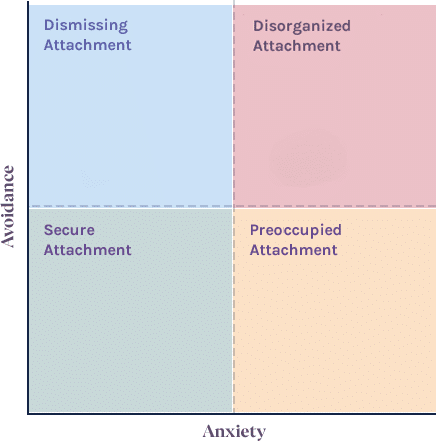
Attachment graph
Take the Attachment Style Quiz

If you’ve taken the quiz check your email for the report. Token Invalid.

Secure Attachment
Digital Workbook

How can you better understand your attachment style?

rating rating rating rating rating

“This workbook had all the answers! It wasn’t until I started trying the exercises that I realized how much of an impact it actually has! The info about the strengths of my attachment style was really helpful to read, as I feel like I can get bogged down in the “something’s wrong with me” thoughts sometimes.”

Emma L.

rating rating rating rating rating

“I did the test, and got a pretty accurate analysis, so thought I’d give the anxious workbook a try. It really has helped me a lot with understanding my behavior and why I act in certain ways in my relationships. More importantly, though, it has taught me some practical ways to change it!”

Nima M.

rating rating rating rating rating

“Wow! My behavior makes so much more sense now. I’ve always been a people-pleaser, afraid that people would leave me if I wasn’t. But now that I understand why I’ve done this and how it affects my behavior, I can notice when it’s happening and put a stop to it. It’s going to be tough, but I’m ready to make some meaningful changes.”

Shauna C.

rating rating rating rating rating

“I strongly recommend this workbook to anyone with an avoidant attachment style. The exercises were really helpful and helped me better understand my attachment style as well as how to deal with it. I recommend it to anyone who wants to improve their relationships by working on their attachment style.”

Alessandro C.

rating rating rating rating rating

“I thought disorganized attachment was the end of my world – that I’d never find love. Through the workbook, I realized that I have a set of learned behaviors and felt more empowered to change my life and really dig deep into who I was. I still get triggered from time to time, but my partner and I are more able to work it out.”

Phillip T.

How will this workbook help me?

To help you decide whether our workbook is right for you, here’s everything you’ll learn about:

Part 1: All About Attachment

Clearly explains the concept of attachment theory and the main differences between each attachment style

Part 2: Your Attachment Style (Secure)

Details how secure attachment forms in early childhood, how it affects areas of your life like relationships and work, and how to identify your attachment superpowers

This section also includes helpful exercises from the included “Secure Attachment Exercise Book”

Part 3: Therapies and Alternative Approaches

To help you determine if therapy is the right route for you – and which form

Part 4: Attachment & Neuroscience

Assists in your understanding of how your brain responded to your early experiences and helps you move past self-blame

Part 5: Secure Attachment Exercises

A range of exercises designed to help address issues associated with anxious attachment: early experiences, self-perceptions, thoughts and actions, and outlook on relationships.

To help you decide whether our workbook is right for you, here’s everything you’ll learn about:

Part 1: All About Attachment

Clearly explains the concept of attachment theory and the main differences between each attachment style

Part 2: Your Attachment Style (Secure)

Details how secure attachment forms in early childhood, how it affects areas of your life like relationships and work, and how to identify your attachment superpowers

This section also includes helpful exercises from the included “Secure Attachment Exercise Book”

Part 3: Therapies and Alternative Approaches

To help you determine if therapy is the right route for you – and which form

Part 4: Attachment & Neuroscience

Assists in your understanding of how your brain responded to your early experiences and helps you move past self-blame

Part 5: Secure Attachment Exercises

A range of exercises designed to help address issues associated with anxious attachment: early experiences, self-perceptions, thoughts and actions, and outlook on relationships.
Can you identify with the common signs of this attachment style?

*Please keep in mind, even if you have this attachment style, you don’t need to identify with all of the characteristics outlined below. Everybody has a unique personality and life experiences – and these affect how the traits of your attachment style play out in different situations.

  • You have a positive self attitude. Due to your early years, you have a strong sense of self and self-agency.
  • You have a favorable view of others. You tend to trust your partners and their intentions and do not typically feel jealous or doubt a loved one’s intentions.
  • You seek out emotional closeness with others and give it back in return–you enjoy mutual dependency.
  • Although you enjoy being in a relationship, you are also comfortable being alone.
  • You exude warmth and express your feelings openly and comfortably (when appropriate).
  • You are capable of initiating and maintaining meaningful long-term relationships.
  • You are aware of your emotions and are able to regulate them. You are also able to help insecure partners to balance theirs when they are feeling too much or too little.

*Please keep in mind, even if you have this attachment style, you don’t need to identify with all of the characteristics outlined below. Everybody has a unique personality and life experiences – and these affect how the traits of your attachment style play out in different situations.

  • You have a positive self attitude. Due to your early years, you have a strong sense of self and self-agency.
  • You have a favorable view of others. You tend to trust your partners and their intentions and do not typically feel jealous or doubt a loved one’s intentions.
  • You seek out emotional closeness with others and give it back in return–you enjoy mutual dependency.
  • Although you enjoy being in a relationship, you are also comfortable being alone.
  • You exude warmth and express your feelings openly and comfortably (when appropriate).
  • You are capable of initiating and maintaining meaningful long-term relationships.
  • You are aware of your emotions and are able to regulate them. You are also able to help insecure partners to balance theirs when they are feeling too much or too little.

“Investing in yourself is the best investment you will ever make. It will not only improve your life, it will improve the lives of all those around you.”

Robin Sharma

Are you ready to take the steps towards healthier attachment? 

To rediscover who you truly are, you need to know the answers to these questions:

  • How did your parents/caregivers manage to build a secure bond with you when you were little?
  • What are the five conditions for secure attachment?
  • Which needs were met in your early childhood and how can you continue to get those needs met in your adult relationships?
  • How does the secure attachment style impact your relationship with yourself?
  • Why do some children develop stronger emotional regulation skills than others?
  • What can you do to further strengthen your sense of self and self-esteem?
  • How do people with different attachment styles get along with each other?
  • How does attachment influence people’s choice of partners and friends?
  • Can attachment theory explain the behaviors of your loved ones?
  • What superpowers are associated with attachment security?
  • How can you facilitate the development of secure attachment in your (future) children?

To rediscover who you truly are, you need to know the answers to these questions:

  • How did your parents/caregivers manage to build a secure bond with you when you were little?
  • What are the five conditions for secure attachment?
  • Which needs were met in your early childhood and how can you continue to get those needs met in your adult relationships?
  • How does the secure attachment style impact your relationship with yourself?
  • Why do some children develop stronger emotional regulation skills than others?
  • What can you do to further strengthen your sense of self and self-esteem?
  • How do people with different attachment styles get along with each other?
  • How does attachment influence people’s choice of partners and friends?
  • Can attachment theory explain the behaviors of your loved ones?
  • What superpowers are associated with attachment security?
  • How can you facilitate the development of secure attachment in your (future) children?

Our dedicated Secure Attachment Style Workbook or Ultimate Workbook on all four attachment styles help you to understand your loved ones better.

Secure Attachment Style Workbook

Your Secure Attachment Digital Workbook includes:

  • 199 pages, including 35 pages of practical exercises
  • How secure attachment influences you in over 10 different areas of life
  • 7 case studies on secure attachment
  • Groundbreaking and up-to-date research on secure attachment
  • Section recaps and areas for reflection

Ultimate Workbook

Your Ultimate Digital Workbook includes everything in the Anxious Attachment Style Workbook plus:

  • 446 pages, including 114 pages of practical exercises
  • Guides to the secure, avoidant, and disorganized attachment styles
  • Descriptions of how these attachment styles develop in childhood
  • Explanations as to how all four attachment styles interact with one another

Customer Reviews

rating rating rating rating rating

“This workbook had all the answers! It wasn’t until I started trying the exercises that I realized how much of an impact it actually has! The info about the strengths of my attachment style was really helpful to read, as I feel like I can get bogged down in the “something’s wrong with me” thoughts sometimes.”

Emma L.

rating rating rating rating rating

“I did the test, and got a pretty accurate analysis, so thought I’d give the anxious workbook a try. It really has helped me a lot with understanding my behavior and why I act in certain ways in my relationships. More importantly, though, it has taught me some practical ways to change it!”

Nima M.

rating rating rating rating rating

“Wow! My behavior makes so much more sense now. I’ve always been a people-pleaser, afraid that people would leave me if I wasn’t. But now that I understand why I’ve done this and how it affects my behavior, I can notice when it’s happening and put a stop to it. It’s going to be tough, but I’m ready to make some meaningful changes.”

Shauna C.

rating rating rating rating rating

“I strongly recommend this workbook to anyone with an avoidant attachment style. The exercises were really helpful and helped me better understand my attachment style as well as how to deal with it. I recommend it to anyone who wants to improve their relationships by working on their attachment style.”

Alessandro C.

rating rating rating rating rating

“I thought disorganized attachment was the end of my world – that I’d never find love. Through the workbook, I realized that I have a set of learned behaviors and felt more empowered to change my life and really dig deep into who I was. I still get triggered from time to time, but my partner and I are more able to work it out.”

Phillip T.


Who Is The Attachment Project?

“The Attachment Project is dedicated to educating and enabling one to work through their attachment style and overall psychological health.”

– Paula Sacks, Attachment Specialist and Author

The Attachment Project’s mission is to be at the forefront of attachment theory. We are committed to providing our community with the leading approaches to attachment theory and pioneering and investing in advancements in the field. Here are some of the things we’ve achieved:

  • Raised over $700,000 (USD) for cultural preservation projects in Nepal.
  • Helped over 1 million people discover their attachment style and start their healing journey using our online Attachment Quiz.
  • Shared free content (and continue to) on our blog and Instagram to spread the awareness of attachment theory and provide no-cost support and information to anyone who needs it.
  • A range of online tools to support insecure attachers on their healing journey.

FAQs

Why this workbook? Why not go straight to therapy?

We wish to highlight that therapy with a trained mental health professional is the most appropriate route for people with mental health difficulties. This workbook works well for people who are not in significant mental health distress or as a therapy aid. Most therapies start with building self-awareness and the foundations for self-development; this workbook can help you start this process by aiding you in accessing deeper understanding.

Why should I choose this workbook over other books on attachment?

The Attachment Project workbooks are different from others on the market as they are designed with the user perspective in mind. Meaning that our goal is to help you both understand and process your attachment issues by providing information on how your attachment style developed and affects your current relationships, as well as exercises on how to internalize this information. We also dedicate ourselves to the field of attachment through ever-expanding research and disseminating new information to our audience. So you’re in the hands of people who truly care about your health. 

What format does this workbook come in?

At this time, all of our workbooks are in digital PDF form. This is due to the regularity with which we update our workbooks with the latest research and information, as well as access to extra worksheets.